See how real patients are doing on 60 dry eye treatments — what helped, what didn’t, the side effects, the cost. Track your own symptoms and walk into every eye appointment with data that means something.



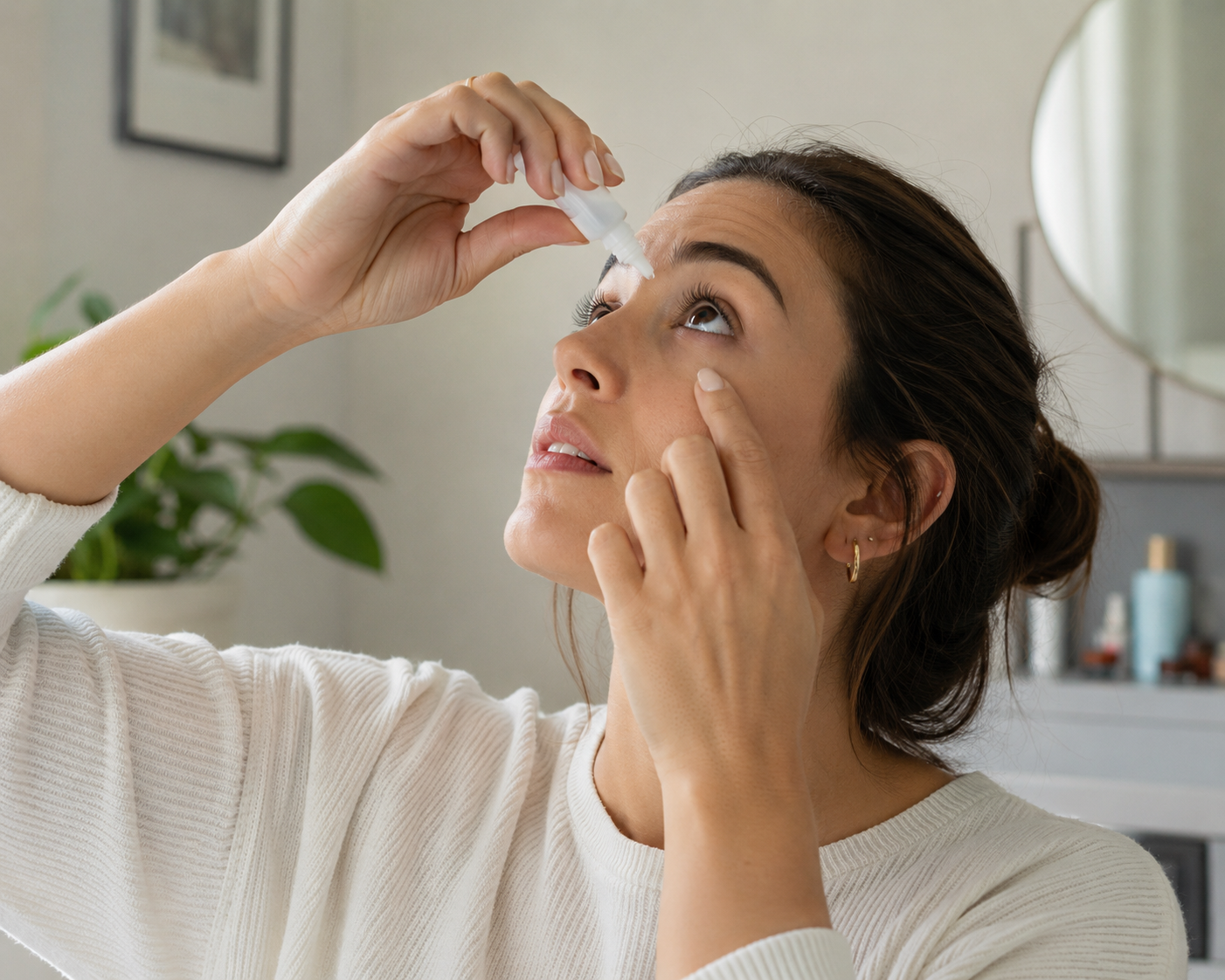
DryEyeMonitor maintains a continuously updated registry of dry eye treatment outcomes. Patients log standardized symptom data and their treatment regimens; we surface the aggregate to clinicians, researchers, and patients themselves.

Real-world experience with a treatment your doctor has proposed — reported by people who actually use it.

A structured pre-visit summary of a patient’s OSDI trend and current regimen — ready before they sit down.

Population-level data on ocular surface disease epidemiology and real-world treatment effectiveness.
DryEyeMonitor is deliberately quiet. It is a registry, not a feed — built so the data stays trustworthy and your privacy stays intact.
Your care team always comes first. We are not a substitute for a qualified eye-care professional — treatment changes should always be discussed with your ophthalmologist or optometrist.
No threads, no debates — structured, comparable data instead.
No avatars, no follower counts, no direct messages.
We never diagnose — that conversation belongs with your clinician.
Outcomes appear in aggregate or as opt-in, pseudonymized case histories.
Our data conforms to TFOS DEWS III definitions of dry eye disease and uses the OSDI (Ocular Surface Disease Index) as the primary patient-reported severity instrument.
Six standardized severity items (0–4) logged per day via OSDI-6, mapped to the three OSDI sections (ocular symptoms, vision-related function, environmental triggers).
Dose, duration of use, perceived effectiveness (major / moderate / slight / none), side effects (mild / moderate / severe), burden, and reason for stopping if applicable.
De-duplication, plausibility checks, and audit against clinic-administered OSDI scores for the subset of users referred by participating clinics.
Four short reference pages — built from DEWS III and the validated OSDI framework.

The 10 core symptoms of dry eye, the OSDI-6 questionnaire, and the OPQRST history we capture for each one you log.
Explore symptoms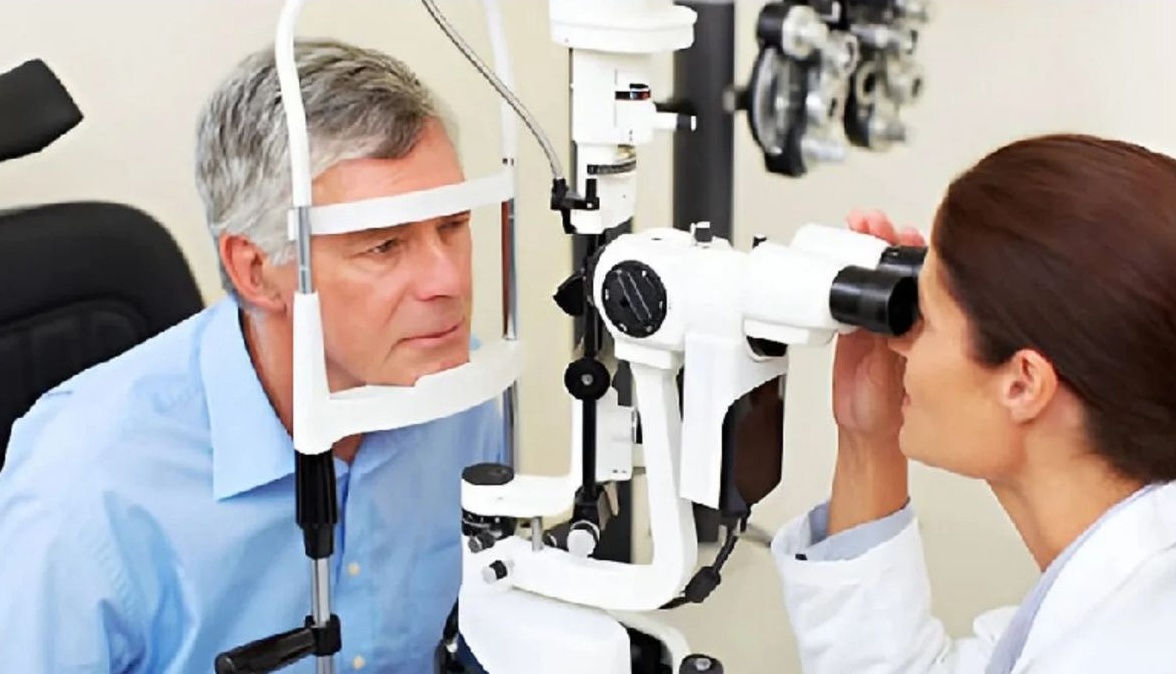
The DEWS III framework, the four subtype labels, and how the diagnosis your clinician writes down should drive your treatment plan.
Explore diagnosis
Systemic diseases (autoimmune, endocrine, dermatological, neurological) and medication classes known to cause or worsen dry eye.
Explore associated conditions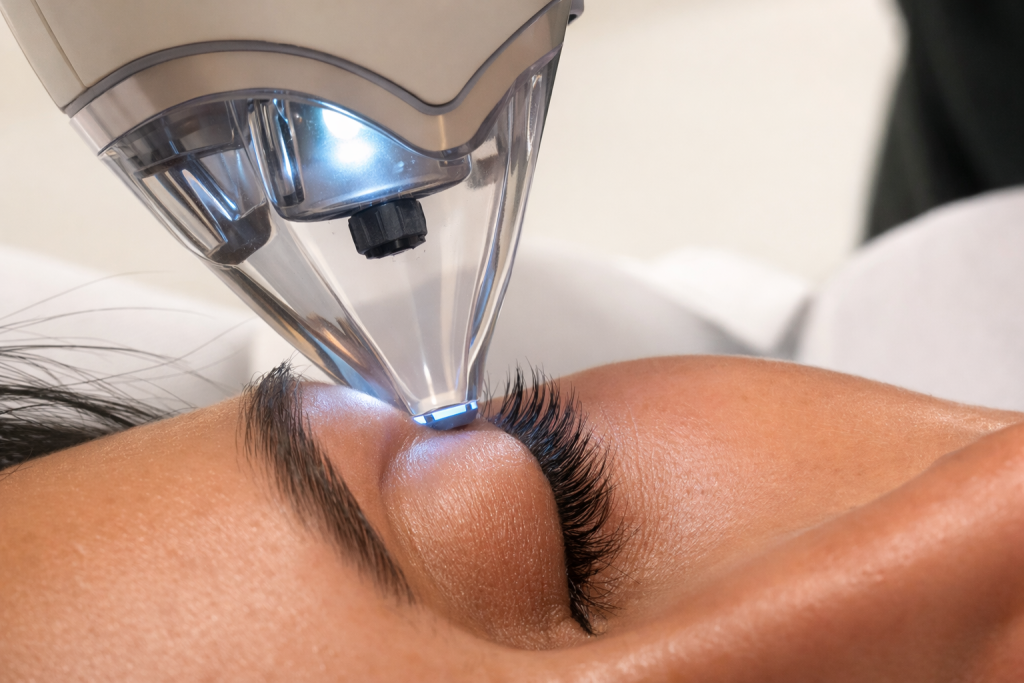
The full catalog of 60 evidence-backed dry eye treatments — grouped by category, with patient-reported effectiveness and side-effect data.
Explore treatmentsDryEyeMonitor is sponsored by Smart Dry Eyes — a network of specialised dry-eye clinics in Germany, Switzerland, Andorra and Mexico, dedicated to precise diagnostics and personalised treatment of dry eye disease. Their support keeps this registry free and open for patients, clinicians and researchers.
Visit smartdryeyes.com
 DryEyeMonitor®